By July, Vitol had increased its market share, holding 11% of all oil futures traded on the NYMEX. The Commission study found that Vitol was not alone, and in fact determined that financial firms and their clients controlled an astounding 81% of traded futures contracts, a number that is expected to rise as more firms are audited. By bringing the heft on the financial industry to bear on an already inflated commodities market, these investment groups were able to initiate a stratospheric rise in the price of oil, one that far outpaced actual demand.
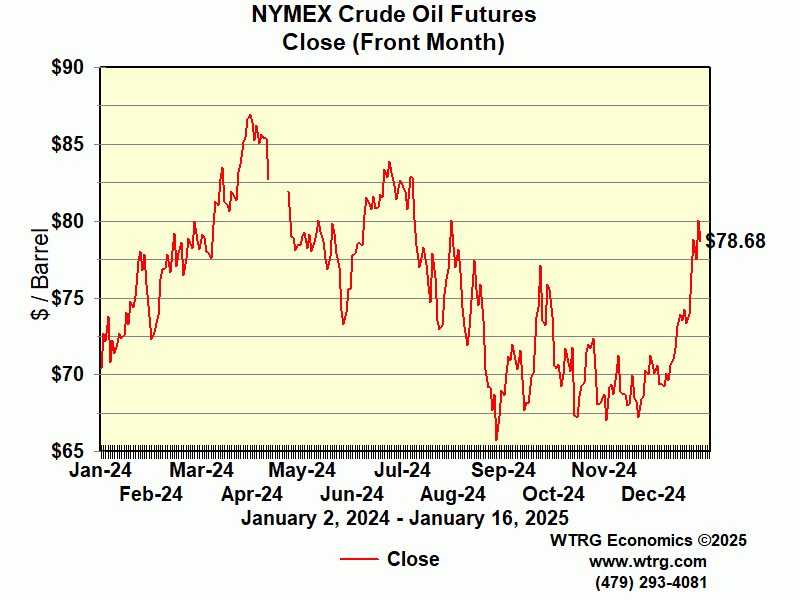
If this is a little complicated, let me break it down: the much-maligned oil companies, already turning out a product that is producing recording-breaking profits for them, sold contracts for the purchase of oil to a handful of investment banks, which then added a premium surcharge on top, before selling the contracts at a higher price to the refining interests that turn oil in other petroleum products. As soon as it became clear that this was unsustainable, these firms sold off their contracts, leading to the 22% deflation in the price of oil between July and the closing bell yesterday.
This turn of events is a relief to the average consumer, of course, but it doesn't refund the manufactured demand premium that we have been paying on everything for the last few months. While complicated and likely even legal, this defrauding of the American public should be considered outrageous, if not particularly surprising. It's the child of excessive deregulation; the steady weakening of oversight that has led to capitalism run amok. But even at this late stage of the current economic breakdown, there is great resistance to more financial transparency. It's too bad this story is likely to get lost in the election coverage, because it would make a pretty good talking point for the Democrats.


 Posts
Posts


No comments:
Post a Comment